
Insulation types (fiberglass, foam, cellulose) offer temperature regulation, energy efficiency, and structural integrity. Selection considers climate, building design, budget, and sustainability goals. Proper insulation reduces energy bills, enhances comfort, and complies with R-value standards. Installation requires matching material properties to environmental factors for optimal energy efficiency and structural integrity. Consulting experts ensures tailored advice for specific needs and compliance with local building codes.
In the realm of construction and home improvement, understanding insulation types is paramount for any buyer aiming to optimize energy efficiency and comfort. Insulation plays a pivotal role in regulating indoor temperatures, reducing noise, and minimizing moisture issues—all essential considerations for modern living. However, navigating the diverse array of insulation types can be daunting for those unfamiliar with the field. This professional report aims to demystify this process by providing a comprehensive overview of various insulation types, empowering buyers to make informed decisions that cater to their specific needs and contribute to sustainable living.
Understanding Insulation: Basics and Benefits

Understanding Insulation: Basics and Benefits
Insulation is a critical component of any building project, playing a vital role in maintaining indoor comfort, reducing energy consumption, and ensuring structural integrity. At its core, insulation types are categorized based on their material composition and installation methods. Common insulation materials include fiberglass, foam, cellulose, and mineral wool, each offering unique advantages tailored to specific application needs. For instance, fiberglass is renowned for its fire resistance and ease of installation, making it a popular choice for attics and walls. Conversely, foam insulation excels in creating air barriers, preventing heat transfer, and enhancing energy efficiency.
The benefits of proper insulation are manifold. Firstly, it mitigates temperature extremes, keeping homes warm during winters and cool in summers, thereby reducing the reliance on heating and cooling systems. According to industry data, adequate insulation can slash energy bills by up to 20-30%. Moreover, different insulation types cater to various borrower requirements. For commercial properties, rigid foam insulation is often preferred for its high thermal resistance and structural integrity. In residential settings, blown-in cellulose offers excellent coverage and performs well in achieving a desired R-value, crucial for regulatory compliance and energy savings.
When selecting insulation types, borrowers should consider factors like climate, building design, budget, and long-term sustainability goals. Consulting with experts can provide valuable insights into the most suitable options. For instance, individuals living in extreme climates might require high-density insulation to achieve optimal temperature control. Environmental considerations also play a role; recycled cellulose insulation, for example, offers excellent performance while promoting sustainability. Ultimately, understanding insulation types empowers buyers to make informed decisions that contribute to energy efficiency, comfort, and the overall value of their properties.
Types of Insulation Materials Explained
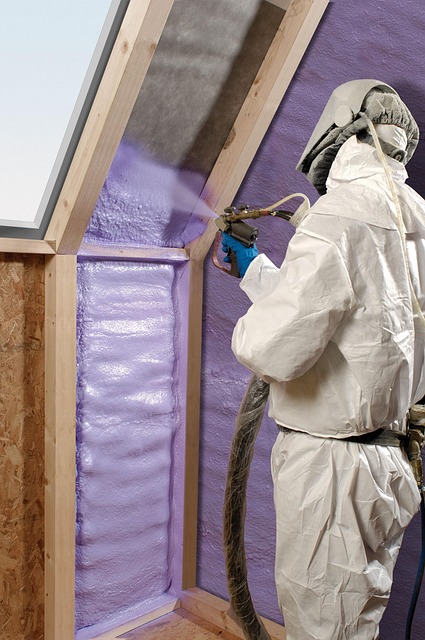
When considering insulation types for your project, understanding the options available is crucial to making informed decisions that meet borrower requirements. There are primarily three broad categories of insulation materials based on their composition and installation methods: fiber glass, foam, and cellulose. Each offers distinct advantages tailored to specific climate conditions and building designs.
Fiberglass insulation, one of the most common types, is made from spun glass fibers and is known for its excellent temperature resistance and low cost. It’s effective in both new construction and retrofits, easily fitting into walls, attics, and floors. However, it may not be ideal for humid environments as it can become a breeding ground for mold if not properly installed and sealed. For borrowers looking for energy efficiency, fiberglass provides good insulation against heat transfer, helping to maintain comfortable indoor temperatures.
Foam insulation, particularly polyurethan foam, stands out for its superior R-values, making it an excellent choice for achieving high levels of energy efficiency. This type is highly effective in filling hard-to-reach spaces and offering exceptional thermal resistance. It’s versatile, suitable for both new construction and existing structures, and can even be blown into walls or poured into floors. While more expensive than fiberglass, foam insulation pays off over time through reduced energy bills.
Cellulose insulation, made from recycled paper and other natural materials, offers excellent insulative properties at a competitive price point. It’s particularly effective in attics and is known for its fire resistance. Cellulose is also a good choice for regions with high moisture levels as it dries quickly and resists mold growth. Borrowers seeking an eco-friendly option will find cellulose appealing, as it is considered an insulation type naturally derived from renewable resources.
Selecting Suitable Insulation for Your Home

Selecting suitable insulation for your home is a crucial step in ensuring energy efficiency and comfort. With various insulation types available, understanding their unique properties is essential for any buyer. This decision goes beyond choosing a material; it involves matching the right insulation to your specific needs and environmental factors. The primary consideration should be the R-value, which measures a material’s resistance to heat transfer. Higher R-values indicate better insulation performance.
For instance, natural insulation types like cellulose, made from recycled paper, offer excellent insulative properties while being environmentally friendly. Fiberglass is another popular choice, known for its durability and affordability. However, borrowers with specific requirements might opt for specialized options such as foam insulation, which provides exceptional R-values and air sealing capabilities. According to recent studies, proper insulation can reduce heating and cooling costs by up to 20%, making it a wise investment for any homeowner.
When selecting insulation types, consider your climate, the age of your home, and its structural design. For older homes, ensuring adequate ventilation alongside insulation is vital to prevent moisture buildup. Borrowers in colder regions might require higher R-values compared to those in milder climates. Additionally, understanding local building codes and energy efficiency standards can guide your decision, ensuring compliance and maximizing long-term savings.
Installation Process: Best Practices for Efficiency

The installation process of insulation types plays a pivotal role in ensuring energy efficiency for any home or building. A well-executed insulation job can significantly reduce heat transfer, leading to better temperature control and lower energy bills. When considering different insulation types, borrowers should understand that each material has unique properties and installation requirements. For instance, fiber glass insulation is versatile and easy to install, making it a popular choice for attics and walls. Its loose fibers create air pockets that inhibit heat flow, but proper placement and compression are crucial to maintain its effectiveness.
Best practices for efficient insulation installation start with thorough preparation. Homeowners or contractors should assess the specific needs of the structure, considering factors like climate, building design, and intended use. For basement insulations, expanding foam can create an airtight seal around difficult-to-reach areas, enhancing overall energy efficiency. In addition to the right materials, proper techniques are essential. This includes ensuring seamless coverage, filling all gaps or voids, and securing insulation against movement to prevent shifting over time.
Borrowers should also be aware of local building codes and regulations regarding insulation types and installation methods. These standards exist to ensure safety and optimal performance. For example, in regions with harsh winters, more dense insulations like cellulose or foam board might be required. By adhering to these guidelines, borrowers can maximize the benefits of their chosen insulation types, achieving a comfortable indoor environment while minimizing energy consumption. Regular maintenance checks post-installation are also beneficial to identify any potential issues early on.
Energy Savings: Measuring Insulation Performance

When considering insulation types for your property, understanding the performance of different materials is crucial for meeting borrower requirements and maximizing energy savings. The right insulation can significantly reduce heat transfer, minimizing energy losses and lowering heating and cooling costs. One of the most common and effective insulation types is fiberglass, known for its affordability and versatility. It’s often used in attics, walls, and floors due to its ability to fit into tight spaces and provide a continuous barrier against heat flow.
Cellulose insulation, another popular choice, offers superior insulation value and fire resistance compared to traditional fiberglass. This natural insulation type is made from recycled paper and is an excellent option for environmentally conscious borrowers. It performs well in both new construction and retrofits, providing consistent R-values over time. Studies show that homes with cellulose insulation can achieve up to 20% more energy efficiency than those with standard fiberglass insulation.
For specific borrower requirements focusing on high-performance spaces, spray foam insulation stands out as a game-changer. This advanced insulation type is applied as a liquid that expands and hardens, filling every crevice and providing exceptional R-values. Spray foam not only enhances energy efficiency but also improves air sealing, reducing drafts and enhancing indoor comfort. According to the U.S. Department of Energy, homes with spray foam insulation can save up to 50% on heating and cooling costs compared to poorly insulated homes.
When selecting insulation types, it’s essential to consider factors like climate, building design, and budget. Understanding the specific borrower requirements and choosing accordingly will ensure optimal energy savings. For instance, in colder climates, a combination of high-R-value insulation with air barriers can achieve significant energy efficiency. Conversely, in milder climates, a well-insulated envelope with strategic ventilation may be more effective. Always consult with professionals who can provide expert advice tailored to your specific needs.