
Real estate professionals need to understand insulation types for energy efficiency, comfort, and property value. Key insulation options include fiberglass (cost-effective, easy install), foam (high R-values, airtight), and alternative materials like cellulose and mineral wool. Selection based on climate, building design, budget, health, and environmental considerations. Proper installation maximizes benefits; regular maintenance crucial. Quality insulation reduces energy bills, attracts eco-conscious buyers, and enhances property value, aligning with market demands.
In the realm of real estate, energy efficiency and comfort are paramount, with insulation types playing a pivotal role in achieving these goals. As professionals navigate the diverse needs of clients and the ever-evolving building codes, understanding different insulation types is essential for making informed decisions. This article offers a practical overview, equipping you with knowledge to address various climatic challenges and client requirements. We’ll explore traditional and innovative insulation types, their benefits, applications, and how they contribute to sustainable, comfortable living spaces—a crucial aspect in today’s market.
Understanding Insulation Basics for Real Estate

Understanding insulation basics is paramount for real estate professionals, as it significantly impacts energy efficiency, comfort, and property value. Insulation types vary widely, from batts and rolls to foam and specialized products designed for specific applications. Each type offers unique benefits in terms of R-value (a measure of thermal resistance), installation ease, and cost. For instance, cellulose insulation excels in filling hard-to-reach spaces due to its loose-fill nature, while rigid foam provides exceptional structural support and long-term durability.
When navigating the market for borrowers, knowledge of these variations is crucial. Lenders often require specific insulation types to meet energy efficiency standards set by organizations like ENERGY STAR. For example, borrowers seeking green financing may need to incorporate high-performance insulation, such as spray foam or mineral wool, which can reduce heat transfer and lower energy bills. Additionally, understanding regional climate requirements ensures that the chosen insulation type is suitable for the local environment, enhancing the property’s long-term livability and value.
Real estate professionals should also be aware of evolving industry standards and consumer preferences. Today, there’s a growing demand for sustainable and environmentally friendly insulation options, like recycled fiber or natural materials like sheep’s wool. These not only contribute to energy efficiency but also appeal to eco-conscious buyers and renters. Staying informed about these trends allows professionals to make informed decisions that meet both borrower requirements and market demands, ultimately maximizing the property’s potential.
Types of Insulation: Fiberglass, Foam, and More

Insulation is a critical component in any real estate project, playing a pivotal role in energy efficiency, comfort, and even borrower requirements. When selecting insulation types, professionals must consider various factors such as climate, building design, and budget. This section delves into three primary insulation types: fiberglass, foam, and alternative options, offering an authoritative guide for real estate experts to make informed decisions.
Fiberglass insulation is a popular choice due to its cost-effectiveness and ease of installation. Made from spun glass fibers, it provides excellent resistance to heat transfer, making it ideal for attics and walls. According to industry data, fiberglass can reduce heating and cooling costs by up to 30%, directly impacting borrower requirements for energy-efficient homes. Its versatility allows for use in both new construction and retrofits, ensuring a suitable solution for diverse projects.
Foam insulation, particularly polyurethan foam, offers superior R-values—a measure of thermal resistance—compared to many other materials. It is highly effective at sealing gaps and creating an airtight barrier, significantly improving a building’s energy efficiency. This type of insulation is especially beneficial in climates with extreme temperatures, helping to maintain comfortable indoor environments. When specifying foam, professionals should consider its density and open or closed-cell composition, as these factors influence performance and cost.
Beyond fiberglass and foam, the market offers innovative insulation types, such as mineral wool, cellulose, and recycled materials. For instance, mineral wool, made from natural stone fibers, provides excellent fire resistance and sound absorption properties. Cellulose insulation, derived from recycled newspaper, is an eco-friendly option with superior compressive strength. These alternative materials cater to specific needs, including high-performance, green building, or budget-conscious projects. By understanding these various insulation types, real estate professionals can make strategic choices that meet borrower requirements and contribute to sustainable, energy-efficient properties.
Selecting Ideal Insulation for Different Climates

Selecting appropriate insulation types is a critical consideration for real estate professionals, particularly when addressing borrower requirements across diverse climates. Different regions present unique challenges—from extreme cold to sweltering heat—which necessitate tailored insulation solutions. The ideal insulation type must balance energy efficiency, comfort, and durability while aligning with local building codes and regulatory standards. For instance, in colder climates, rigid foam insulation excels at resisting heat transfer, providing long-term thermal stability. In contrast, high-performance fiber glass or cellulose insulations are more suitable for warmer regions, offering superior air tightness and resistance to moisture infiltration.
Understanding borrower requirements is paramount when specifying insulation types. Lenders often mandate specific R-values or performance criteria based on location and local climate data. For example, in areas prone to harsh winters, borrowers may require insulation with an R-value of 30 or higher to ensure adequate thermal protection. Conversely, energy-efficient homes in milder climates might specify lower R-values, focusing more on air sealing and vapor barriers. Real estate professionals must collaborate closely with builders and lenders to interpret these requirements accurately and select appropriate materials accordingly.
Climate-responsive design further complicates the selection process. Adapting insulation types to evolving climate conditions is essential for long-term energy efficiency and occupant comfort. As global temperatures rise, heat islands in urban areas demand reflective roof coatings and enhanced insulation beneath roofing systems. Conversely, in regions experiencing increased moisture, specialized waterproof insulation and advanced drying systems become crucial components of a comprehensive building envelope strategy. By staying abreast of the latest industry guidelines and technological advancements, real estate professionals can ensure that borrowed properties meet current standards and deliver optimal performance for years to come.
Installation Best Practices for Optimal Efficiency

Insulation installation is a critical step in achieving optimal energy efficiency in any property, and real estate professionals must possess a thorough understanding of various insulation types to guide their clients or investors towards informed decisions. The selection of appropriate insulation depends on factors such as climate, building design, and budget. When installed correctly, the right insulation can significantly reduce heating and cooling costs, enhancing comfort and increasing property value.
For instance, in colder climates, rigid foam insulation is an excellent choice for exterior walls and roofs due to its high R-value—a measure of thermal resistance. This type offers long-lasting protection against heat loss, ensuring efficient energy use. Conversely, in regions with hot summers and mild winters, fiberglass insulation is a popular option for attics, as it helps reflect heat and prevent excessive temperature rise during warmer months. Batts and rolls of fiberglass can easily fit into tight spaces, providing an effective barrier.
Proper installation practices are paramount to maximizing the benefits of any insulation type. This includes ensuring adequate coverage, sealing gaps, and using appropriate fastening methods. For example, when installing blown-in insulation in walls or attics, it’s crucial to follow recommended density guidelines to achieve the desired R-value. Additionally, borrowers and lenders should be aware that specific insulation types may have varying requirements set by energy efficiency standards and building codes, which real estate professionals must adhere to. Regular maintenance and checks for damage over time also contribute to maintaining optimal insulation performance.
Health and Environmental Considerations in Insulation

In the realm of real estate development, selecting appropriate insulation types is a critical decision that goes beyond mere energy efficiency. Health and environmental considerations play an equally significant role in shaping sustainable and habitable spaces. Insulation, by its nature, serves as a protective barrier, but different types offer varying levels of safety and ecological benefits. For instance, natural insulation materials like sheep’s wool or cellulose derive from renewable resources, ensuring minimal environmental impact compared to synthetic alternatives. This shift towards eco-friendly options aligns with evolving borrower requirements, many of whom prioritize green building practices.
One must consider the health implications associated with insulation choices, especially in residential settings. Synthetic insulations, while effective, may emit volatile organic compounds (VOCs) and contain potentially harmful chemicals. In contrast, natural insulation types are known for their low toxicity and improved indoor air quality. For example, cellulose insulation made from recycled paper is not only environmentally friendly but also resists mold growth, addressing a common health concern in building materials. As awareness of these issues grows, borrowers increasingly seek properties with insulation types that meet stringent environmental standards, reflecting a broader trend towards sustainable living.
Expert recommendations emphasize the importance of thorough research and local regulations when selecting insulation types. Real estate professionals should stay informed about regional preferences and emerging technologies. For instance, in regions prone to extreme temperatures, high-performance insulation like foam or mineral wool can be advantageous. Proper installation techniques are paramount to ensure these materials’ effectiveness and prevent potential health hazards. By understanding the interplay between insulation types and environmental/health factors, real estate professionals can contribute to creating durable and healthy living spaces that cater to borrower requirements in today’s market.
Long-Term Savings: ROI of Quality Insulation
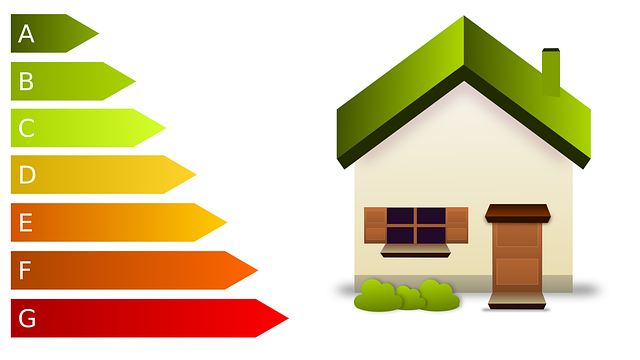
Investing in quality insulation is one of the most effective strategies for real estate professionals to achieve long-term savings and enhance property value. Different insulation types offer varying levels of efficiency, making it crucial to understand their unique properties when selecting materials. Fiberglass, foam, and cellulose are among the most common options, each with distinct advantages. For instance, fiberglass insulation is known for its cost-effectiveness and ease of installation, while foam provides exceptional thermal resistance, reducing energy bills significantly over time.
The return on investment (ROI) for quality insulation is substantial, as it not only lowers utility costs but also increases the property’s energy efficiency. According to industry studies, homes with adequate insulation can save up to 20-30% on heating and cooling expenses annually. Moreover, many lenders now consider borrower requirements for energy-efficient upgrades, including insulation types, when assessing mortgage applications. This shift reflects a growing awareness of the economic and environmental benefits of sustainable practices in real estate.
When advising clients, professionals should emphasize the long-term savings potential of proper insulation. For example, a well-insulated home can maintain comfortable indoor temperatures with less reliance on HVAC systems, reducing not only energy costs but also carbon footprints. Additionally, some local governments offer incentives and rebates for installing energy-efficient insulation types, further enhancing the ROI. By prioritizing these measures, real estate professionals can attract eco-conscious buyers and renters while ensuring their properties remain profitable investments over time.